What "High-Functioning Anxiety" Actually Looks Like — And Why So Many Women Have It Without Knowing
High-functioning anxiety doesn't look like panic attacks. It looks like being very capable, very organised, and completely exhausted. Here's what to know.
OVERTHINKING
5/3/20268 min read
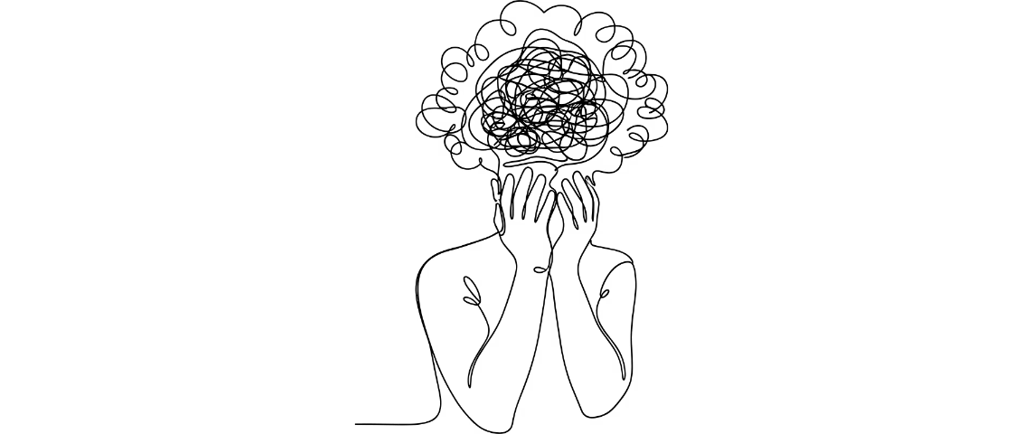
High-functioning anxiety doesn't look the way most people expect anxiety to look.
It doesn't necessarily involve panic attacks or avoiding situations entirely. It doesn't always involve visibly falling apart. In fact, from the outside, high-functioning anxiety often looks like the opposite: a highly capable, organised, reliable person who seems to handle everything well. Who is always prepared. Who rarely drops the ball. Who appears, to most people who know her, to be coping remarkably well with a lot.
What those people can't see is what's happening underneath — the mental noise that runs constantly, the exhaustion that comes from maintaining the appearance of calm while the inside of the mind is anything but, the physical tension that's become so familiar it no longer registers as tension. The sense that everything is always a little more fragile than it looks from the outside, and that she is one unexpected thing away from it all coming apart.
This is what high-functioning anxiety actually looks like. And it affects far more women than most people realise — including women who have never been told they have anxiety, who have never sought treatment for it, and who may not even have a name for what they experience until they read something like this and feel, with quiet relief, that someone finally described it accurately.
Why it goes unrecognised
High-functioning anxiety is not a formal clinical diagnosis. It's a descriptive term used to describe the experience of people who meet criteria for an anxiety disorder — or who live with significant anxiety symptoms — while maintaining a high level of external functioning. Because they don't appear impaired, they often don't present for diagnosis. Because their anxiety is driving their productivity rather than limiting it, the anxiety itself can be difficult to identify even in retrospect.
Women are particularly likely to present this way. Research on gender differences in anxiety presentation consistently shows that women with anxiety are more likely to internalise their symptoms — to direct the anxiety inward as self-criticism, worry, and rumination rather than outward as avoidance or visible distress. They are also more likely to mask their symptoms through over-preparation, over-achieving, and the relentless management of how they appear to others.
Ironically, the coping strategies that make high-functioning anxiety "functional" — the preparation, the over-thinking, the planning for every contingency — can also reinforce the anxiety over time. When you never allow yourself to simply not be prepared, you never discover that you could manage if you were. The anxiety doesn't get the evidence it needs to update its threat assessment. And so it stays, quietly humming beneath everything.
What it actually feels like
People with high-functioning anxiety often describe a specific constellation of experiences that most anxiety content doesn't capture. There is the exhaustion — not laziness, not burnout in the traditional sense, but a bone-deep tiredness that comes from the constant cognitive overhead of managing a mind that won't switch off. There is the performance — the effort of appearing calm and capable while inside the head is running a constant threat assessment. There is the anticipation — the inability to simply enjoy good things, because some part of the mind is already looking ahead to when they end or go wrong.
There is also a particular kind of loneliness that comes with this experience. Because you appear to be coping, people assume you are coping. Because you're competent, people assume competence is easy for you. The help that might be available to someone who was visibly struggling doesn't tend to be offered to someone who looks fine. And often, it's never asked for, because asking for help feels like confirming the fear — that underneath the capability, you're not really okay.
The relationship with overthinking
High-functioning anxiety and overthinking are not the same thing — but they are almost always found together. The anxiety provides the fuel: the underlying threat response, the intolerance of uncertainty, the need to stay vigilant. The overthinking provides the mechanism: the loop, the replaying, the what-ifs, the preparation for outcomes that may never come.
Understanding that your overthinking may be anxiety-driven — rather than a personality trait, a habit, or simply "the way you are" — is significant. Because anxiety is responsive to intervention in a way that personality traits are not. The patterns that drive it can be identified. The beliefs underneath can be examined. The nervous system activation that sustains it can be regulated. None of this is quick, and none of it is simple, but all of it is possible.
What helps
The approaches that work best for high-functioning anxiety address both the physical and cognitive dimensions of the experience.
At the physiological level, the nervous system needs to learn — through repeated, reliable experience — that it is safe to come out of the vigilant state. This happens through practices that activate the parasympathetic nervous system: slow breathing, grounding exercises, physical movement, adequate sleep, and reducing the input of information and stimulation that keeps the system activated. It also happens through gradually tolerating things that the high-functioning anxiety tries to avoid — uncertainty, imperfection, the possibility of not being fully prepared — without the catastrophic outcomes the anxiety predicts.
At the cognitive level, the most important shift is learning to distinguish between thoughts and facts. High-functioning anxiety produces thoughts that feel true with a particular intensity — the certainty that something will go wrong, the conviction that she's not really managing as well as people think. Learning to hold these thoughts a little more loosely, to question rather than automatically accept them, is a gradual process but a profoundly effective one.
And perhaps most importantly: giving a name to what you experience changes something. Not because naming makes it go away, but because it replaces confusion and self-blame with understanding. You haven't been failing at being calm. You've been managing anxiety that was never properly named, with tools that were never specifically designed for what you were actually dealing with.
That changes now - please check out Quiet the Noise, it might just be the solution you were searching for all this time.
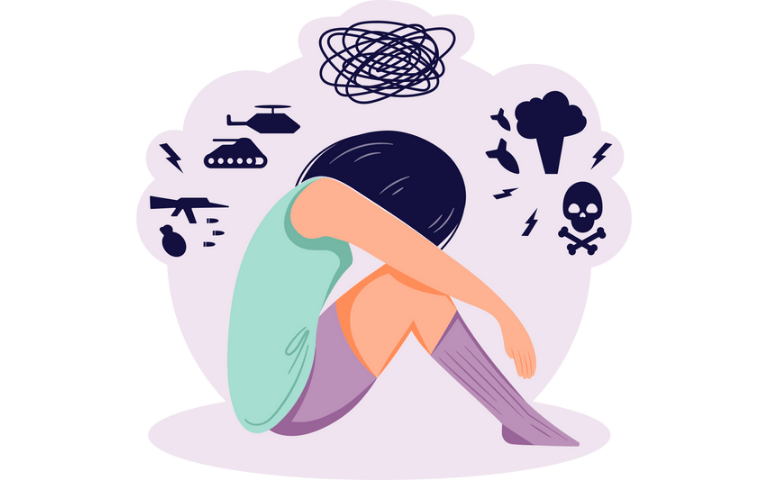

High-functioning anxiety doesn't look the way most people expect anxiety to look.
It doesn't necessarily involve panic attacks or avoiding situations entirely. It doesn't always involve visibly falling apart. In fact, from the outside, high-functioning anxiety often looks like the opposite: a highly capable, organised, reliable person who seems to handle everything well. Who is always prepared. Who rarely drops the ball. Who appears, to most people who know her, to be coping remarkably well with a lot.
What those people can't see is what's happening underneath — the mental noise that runs constantly, the exhaustion that comes from maintaining the appearance of calm while the inside of the mind is anything but, the physical tension that's become so familiar it no longer registers as tension. The sense that everything is always a little more fragile than it looks from the outside, and that she is one unexpected thing away from it all coming apart.
This is what high-functioning anxiety actually looks like. And it affects far more women than most people realise — including women who have never been told they have anxiety, who have never sought treatment for it, and who may not even have a name for what they experience until they read something like this and feel, with quiet relief, that someone finally described it accurately.
Why it goes unrecognised
High-functioning anxiety is not a formal clinical diagnosis. It's a descriptive term used to describe the experience of people who meet criteria for an anxiety disorder — or who live with significant anxiety symptoms — while maintaining a high level of external functioning. Because they don't appear impaired, they often don't present for diagnosis. Because their anxiety is driving their productivity rather than limiting it, the anxiety itself can be difficult to identify even in retrospect.
Women are particularly likely to present this way. Research on gender differences in anxiety presentation consistently shows that women with anxiety are more likely to internalise their symptoms — to direct the anxiety inward as self-criticism, worry, and rumination rather than outward as avoidance or visible distress. They are also more likely to mask their symptoms through over-preparation, over-achieving, and the relentless management of how they appear to others.
Ironically, the coping strategies that make high-functioning anxiety "functional" — the preparation, the over-thinking, the planning for every contingency — can also reinforce the anxiety over time. When you never allow yourself to simply not be prepared, you never discover that you could manage if you were. The anxiety doesn't get the evidence it needs to update its threat assessment. And so it stays, quietly humming beneath everything.
What it actually feels like
People with high-functioning anxiety often describe a specific constellation of experiences that most anxiety content doesn't capture. There is the exhaustion — not laziness, not burnout in the traditional sense, but a bone-deep tiredness that comes from the constant cognitive overhead of managing a mind that won't switch off. There is the performance — the effort of appearing calm and capable while inside the head is running a constant threat assessment. There is the anticipation — the inability to simply enjoy good things, because some part of the mind is already looking ahead to when they end or go wrong.
There is also a particular kind of loneliness that comes with this experience. Because you appear to be coping, people assume you are coping. Because you're competent, people assume competence is easy for you. The help that might be available to someone who was visibly struggling doesn't tend to be offered to someone who looks fine. And often, it's never asked for, because asking for help feels like confirming the fear — that underneath the capability, you're not really okay.
The relationship with overthinking
High-functioning anxiety and overthinking are not the same thing — but they are almost always found together. The anxiety provides the fuel: the underlying threat response, the intolerance of uncertainty, the need to stay vigilant. The overthinking provides the mechanism: the loop, the replaying, the what-ifs, the preparation for outcomes that may never come.
Understanding that your overthinking may be anxiety-driven — rather than a personality trait, a habit, or simply "the way you are" — is significant. Because anxiety is responsive to intervention in a way that personality traits are not. The patterns that drive it can be identified. The beliefs underneath can be examined. The nervous system activation that sustains it can be regulated. None of this is quick, and none of it is simple, but all of it is possible.
What helps
The approaches that work best for high-functioning anxiety address both the physical and cognitive dimensions of the experience.
At the physiological level, the nervous system needs to learn — through repeated, reliable experience — that it is safe to come out of the vigilant state. This happens through practices that activate the parasympathetic nervous system: slow breathing, grounding exercises, physical movement, adequate sleep, and reducing the input of information and stimulation that keeps the system activated. It also happens through gradually tolerating things that the high-functioning anxiety tries to avoid — uncertainty, imperfection, the possibility of not being fully prepared — without the catastrophic outcomes the anxiety predicts.
At the cognitive level, the most important shift is learning to distinguish between thoughts and facts. High-functioning anxiety produces thoughts that feel true with a particular intensity — the certainty that something will go wrong, the conviction that she's not really managing as well as people think. Learning to hold these thoughts a little more loosely, to question rather than automatically accept them, is a gradual process but a profoundly effective one.
And perhaps most importantly: giving a name to what you experience changes something. Not because naming makes it go away, but because it replaces confusion and self-blame with understanding. You haven't been failing at being calm. You've been managing anxiety that was never properly named, with tools that were never specifically designed for what you were actually dealing with.
That changes now - please check out Quiet the Noise, it might just be the solution you were searching for all this time.

PURPLE CLEMENTINE
Contact: contact.purpleclementine@gmail.com
Mental wellness guides for women who think too much, feel too much, and carry too much